Built for real-time answers, bold conversations, and uncensored thinking — Grok gives you insights with personality, not just plain responses.
⚡ Live Response Style
Using Grok doesn’t feel like using a traditional AI tool. It feels more like talking to someone who has access to real-time information and responds without unnecessary filters.
Most AI tools rely on pre-trained data, which means their answers can sometimes feel outdated or limited.
Grok focuses more on real-time interaction. This makes it different from tools like ChatGPT AI, which are known for structured responses but may not always reflect live updates.
Grok is designed to feel less robotic. It responds in a way that feels more direct and conversational.
Compared to tools like Google Gemini AI, which focus on structured workflows, Grok offers a more open-ended interaction style.
While many tools are built around generating content, Grok focuses on conversation and insight.
If you're exploring different options in the AI Tools directory, you’ll notice that Grok feels more like a discussion partner than a content generator.
In places like the United States, where speed and quick decision-making matter, tools like Grok become highly valuable.
It allows users to react faster, think quicker, and stay updated without switching between multiple sources.
Grok is not trying to replace every AI tool. Instead, it fills a specific gap — real-time thinking and natural conversation. And for many users, that’s exactly what makes it useful.
Not all AI tools are built the same. While many focus on structured responses or content generation, Grok AI takes a different path by focusing on real-time awareness, bold conversations, and a more human-like interaction style.
Grok is designed to provide responses based on real-time data, making it highly useful for users who need up-to-date information. Unlike traditional tools, it focuses on delivering current insights rather than static answers.
One of the most unique aspects of Grok is its conversational tone. It feels more direct and less restricted, which makes interactions more engaging compared to traditional AI systems.
Grok is not just about answering questions — it continues conversations naturally. This makes it more useful for brainstorming, discussions, and idea exploration.
Speed matters, especially in fast-paced environments. Grok is optimized for quick responses, helping users make decisions faster without waiting.
What makes Grok stand out is not just its features, but how those features are experienced by users. It doesn’t feel like a tool you use occasionally — it feels like something you interact with continuously.
For example, while tools like ChatGPT AI are excellent for structured tasks like writing and coding, Grok feels more dynamic and responsive in real-time situations.
Similarly, compared to Google Gemini AI, which focuses heavily on integration and workflow efficiency, Grok focuses more on interaction and immediacy.
This makes it especially useful for users who prefer quick insights, direct answers, and a conversational approach rather than a structured workflow system.
In environments like the United States, where time and speed are critical, tools that provide instant clarity often become more valuable than tools that require multiple steps to reach the same result.
That’s exactly where Grok fits — it reduces friction, speeds up thinking, and makes information easier to access and use.
When you first interact with Grok, the experience feels different from most AI tools. It doesn’t overwhelm you with too many options or complex layouts. Instead, it keeps things simple, fast, and focused.
The interface is designed to support real-time conversations. You type your query, and the response feels immediate and natural, almost like chatting with a person who has instant access to information.
Unlike tools such as ChatGPT AI, which are widely used for structured content and workflows, Grok focuses more on speed and conversational clarity.
At the same time, compared to Google Gemini AI, which integrates deeply with productivity tools, Grok keeps the experience lightweight and interaction-focused.
This makes it especially useful for users who want quick answers, real-time updates, and a smooth conversational flow without getting distracted by too many features.
In fast-paced environments like the United States, where users value speed and simplicity, interfaces like Grok’s play an important role in improving productivity.
It’s not just about how powerful the AI is — it’s about how easy it feels to use. And that’s where Grok creates a strong first impression.
As AI tools continue to evolve, users are no longer just looking for features — they are looking for experience. How fast a tool responds, how natural it feels, and how easily it fits into daily life are becoming more important than ever.
This is where Grok AI starts to stand out. Instead of focusing only on structured outputs or complex workflows, it focuses on making interactions feel simple, fast, and real.
For example, tools like ChatGPT AI are widely used for writing and productivity, while Google Gemini AI is known for integration with different platforms.
Grok, on the other hand, focuses on immediacy — giving users answers quickly and allowing them to continue the conversation without interruption.
In fast-moving environments like the United States, this kind of experience becomes extremely valuable. People don’t want to wait or switch between tools — they want everything in one place, instantly accessible.
With so many AI tools available today, choosing the right one can feel confusing. Grok and ChatGPT are two powerful options, but they are built with very different goals in mind.
If your priority is structured work like writing, coding, or detailed explanations, then tools like ChatGPT AI are a strong choice.
However, if you prefer real-time insights, faster responses, and a more conversational experience, Grok becomes a better option.
You can also explore a deeper breakdown on our AI Tools Comparison page to understand how different tools perform across various use cases.
In the United States, where productivity and speed are critical, many users end up using both tools — one for structured work and one for real-time interaction.
Grok AI is not just another chatbot — it’s a tool that fits into real-world situations. From quick problem-solving to real-time insights, people are using Grok in different ways depending on their needs.
Users rely on Grok to stay updated with current events without searching multiple sources.
Professionals use Grok to get instant insights that help them make faster decisions.
Great for brainstorming ideas when you're stuck or need a fresh perspective.
Users learn new topics in a conversational way without complex explanations.
Helps understand trends and discussions happening in real-time.
Used for quick tasks like drafting messages, solving small problems, and planning.
One of the biggest advantages of Grok AI is how naturally it fits into everyday life. Unlike tools such as ChatGPT AI, which are often used for structured work like writing or coding, Grok is more focused on quick interaction and real-time thinking.
Similarly, compared to Google Gemini AI, which emphasizes productivity and integration, Grok is better suited for fast responses and ongoing conversations.
If you explore more tools in our AI Tools directory, you’ll notice that each tool serves a different purpose — and Grok fits best where speed and simplicity matter the most.
In fast-paced environments like the United States, where users expect instant results, these use cases make Grok a practical and efficient choice.
When a new AI tool enters the market, the first question most users ask is simple — is it actually useful, or is it just another trend that will fade away?
Grok AI sits in an interesting position. It doesn’t try to compete directly with every AI tool out there. Instead, it focuses on a specific experience — fast, real-time, and conversational interaction.
Most AI tools today are designed around structured outputs. You ask something, and the system gives you a well-organized response. This works well for writing, coding, and research tasks.
However, Grok takes a slightly different approach. It focuses on making conversations feel more natural and less restricted. Instead of acting like a formal assistant, it behaves more like a real-time conversational partner.
For users who prefer flexibility and speed over structure, this difference becomes very noticeable.
Grok performs best in situations where speed and immediacy matter. For example, if you need quick insights, real-time updates, or a fast answer without going through multiple steps, Grok delivers a smoother experience.
In fast-paced environments like the United States, where users expect instant results, this kind of performance becomes extremely valuable.
It also works well for brainstorming, casual learning, and discussions where the goal is not just to get an answer, but to explore ideas.
While Grok is powerful in many areas, it is not designed to replace every AI tool.
For structured tasks like detailed content writing, coding, or step-by-step explanations, tools like ChatGPT AI are often more reliable.
Similarly, if your workflow depends on integration with productivity tools, then platforms like Google Gemini AI offer a more connected experience.
The real value of Grok does not come from replacing other tools — it comes from complementing them.
Many users end up using multiple AI tools depending on their needs. For example, they might use ChatGPT for structured work, Gemini for productivity, and Grok for quick insights and real-time conversations.
This multi-tool approach is becoming more common, especially among professionals and businesses.
The way people use AI is changing. Instead of relying on a single tool, they are building systems that combine multiple tools for different purposes.
If you explore more tools in the AI Tools directory, you will notice that each platform serves a specific role.
Grok fits into this system as a tool for speed, interaction, and quick thinking.
So, is Grok AI worth using in 2026?
The answer depends on what you expect from an AI tool. If you want structured outputs and detailed workflows, other tools may be better.
But if you want speed, real-time insights, and a more natural conversation experience, Grok becomes a strong and valuable addition to your workflow.
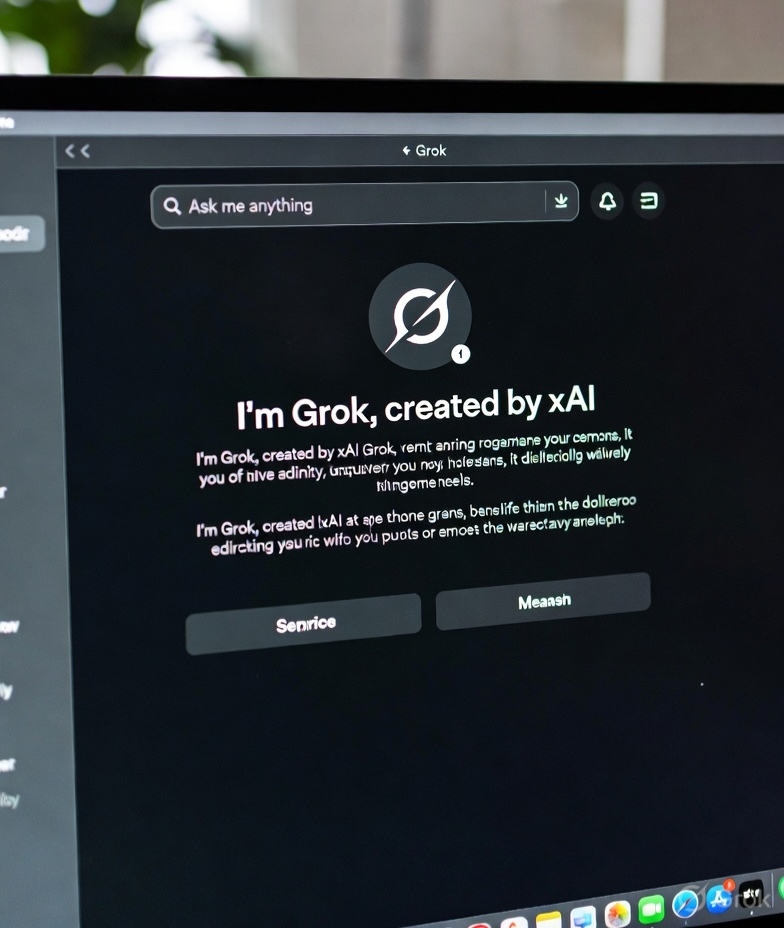
Every AI tool comes with its strengths and limitations. Understanding both sides helps you decide whether Grok AI fits your needs or not.
Real-Time Information Access: Grok is designed to provide up-to-date insights, making it highly useful for users who need quick and current information instead of static responses.
Natural Conversational Experience: Unlike many structured AI tools, Grok feels more like a real conversation, which makes it engaging and easier to use.
Fast Response Time: Speed is one of Grok’s biggest advantages. It helps users get answers instantly, which is important in fast-paced environments.
Simple and Minimal Interface: Grok keeps the interface clean and distraction-free, allowing users to focus on the conversation.
Great for Quick Thinking: It works well for brainstorming, idea generation, and casual discussions where flexibility is needed.
Better for Real-Time Use Cases: Compared to tools like ChatGPT AI, Grok is more useful when immediate insights are required.
Less Structured Output: Grok may not always provide detailed or well-organized answers, which can be a limitation for complex tasks.
Not Ideal for Content Creation: For writing blogs, scripts, or long-form content, tools like Google Gemini AI or ChatGPT may perform better.
Limited Workflow Integration: Unlike some AI platforms, Grok does not focus heavily on integration with productivity tools.
May Require Verification: Since it focuses on speed and real-time responses, users may need to double-check important information.
Still Evolving: As a relatively new AI system, Grok is continuously improving, and some features may change over time.
Not a Complete Replacement: Grok works best as part of a multi-tool setup rather than replacing all other AI tools.
If you explore different platforms in the AI Tools directory, you will notice that each tool has a specific purpose.
Grok is best suited for real-time interaction and quick thinking, while other tools are better for structured workflows and detailed output.
Understanding these differences helps you use each tool more effectively instead of expecting one tool to do everything.
If you’ve explored different AI tools, you already know that no single platform is perfect for everything. Each tool is designed with a specific purpose in mind — and Grok is no exception.
Grok stands out because of its speed, real-time interaction, and conversational style. It doesn’t try to be overly structured or complex. Instead, it focuses on giving you quick insights and helping you think faster.
For users who prefer detailed workflows, tools like ChatGPT AI may feel more complete. On the other hand, platforms like Google Gemini AI offer deeper integration with productivity tools.
But Grok is different — it fills the gap where speed, simplicity, and real-time thinking matter the most.
In fast-moving environments like the United States, where quick decisions are critical, having a tool that responds instantly can make a real difference.
Grok works best as a companion tool — not a replacement. Use it alongside other tools to get the best results.
At the end of the day, the best AI tool is the one that fits your workflow. Grok doesn’t try to do everything — it focuses on doing one thing really well: helping you think and respond faster.
The way people use AI is evolving. It’s no longer just about getting answers — it’s about getting them faster, smarter, and in a way that feels natural.
If you’re ready to explore a different kind of AI experience, Grok is worth trying. And if you want to compare it with other tools, you can always explore more options before making a decision.
Explore more powerful tools on our AI Tools directory and find what works best for you.
Here are some of the most common questions people ask before using Grok AI.
Grok AI is an advanced chatbot developed by xAI, designed for real-time conversations and fast responses.
Grok AI was developed by xAI, a company founded by Elon Musk.
Grok may offer limited free access, but full features can depend on platform access and subscription.
Grok focuses on real-time insights, while ChatGPT AI is better for structured tasks.
Yes, Grok is designed to provide more real-time information compared to traditional AI tools.
Yes, but it is more useful for quick learning rather than structured academic content.
Yes, especially for real-time insights and quick decision-making processes.
It depends on use case. Google Gemini AI is better for productivity workflows, while Grok excels in real-time interaction.
Yes, but it is not primarily designed for long-form content creation.
Yes, Grok can be accessed on mobile devices depending on platform availability.
Grok follows general AI safety practices, but users should always verify important data.
Real-time responses, conversational tone, and fast interaction are key features.
No, both tools serve different purposes and are often used together.
Yes, Grok supports multiple languages depending on usage.
It is useful for quick insights but may require verification for deep research.
Accuracy is generally good, but real-time responses may need cross-checking.
Yes, but it may not be as detailed as tools designed specifically for coding tasks.
Yes, its simple interface makes it easy for beginners to use.
Grok is best for real-time conversations, quick insights, and brainstorming.
Visit our AI Tools directory to discover more options.